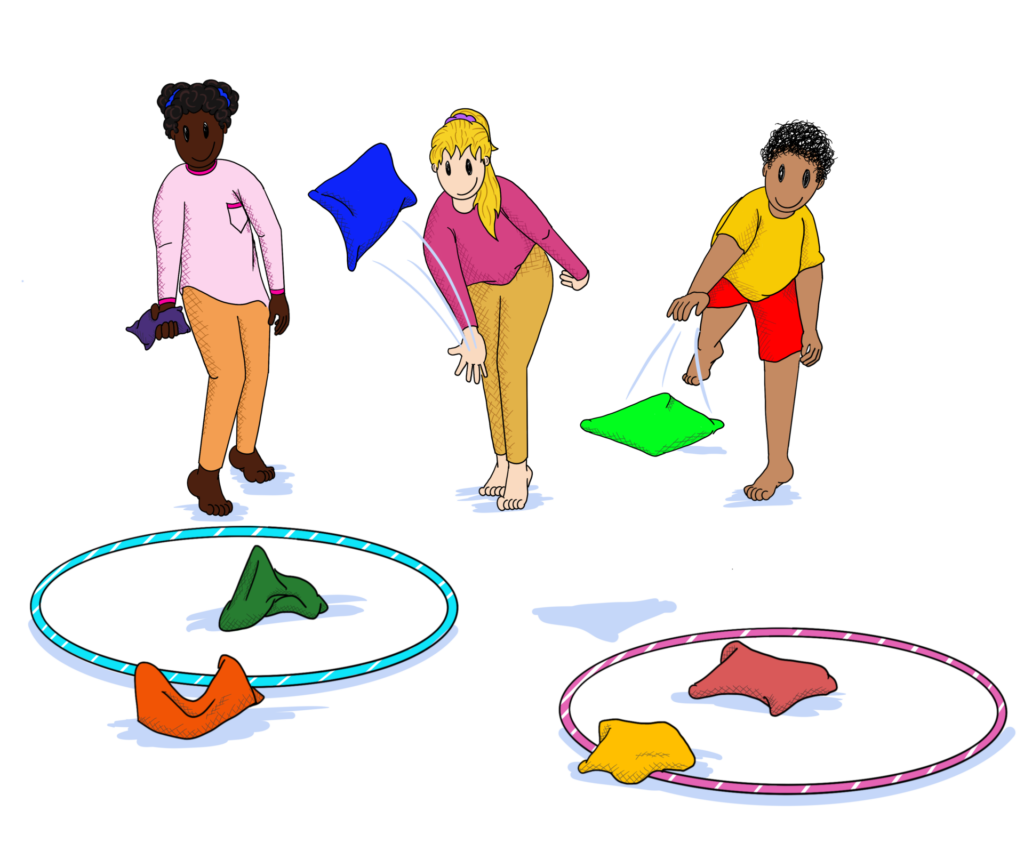
Why the games work
The Neuroscience, child development and therapeutic background

A child’s ability to move, focus, and regulate emotions is strongly supported by effective sensory–motor integration, the way the brain receives and organises sensory information to guide movement, attention, and self-control.
When this integration isn’t working efficiently, the brain has to work harder to manage everyday demands. This can show up as drifting focus, weaker motor skills, learning challenges, or strong emotional reactions because the brain is working overtime to compensate for inefficient pathways. Wired for Movement’s games for physical development utilise:
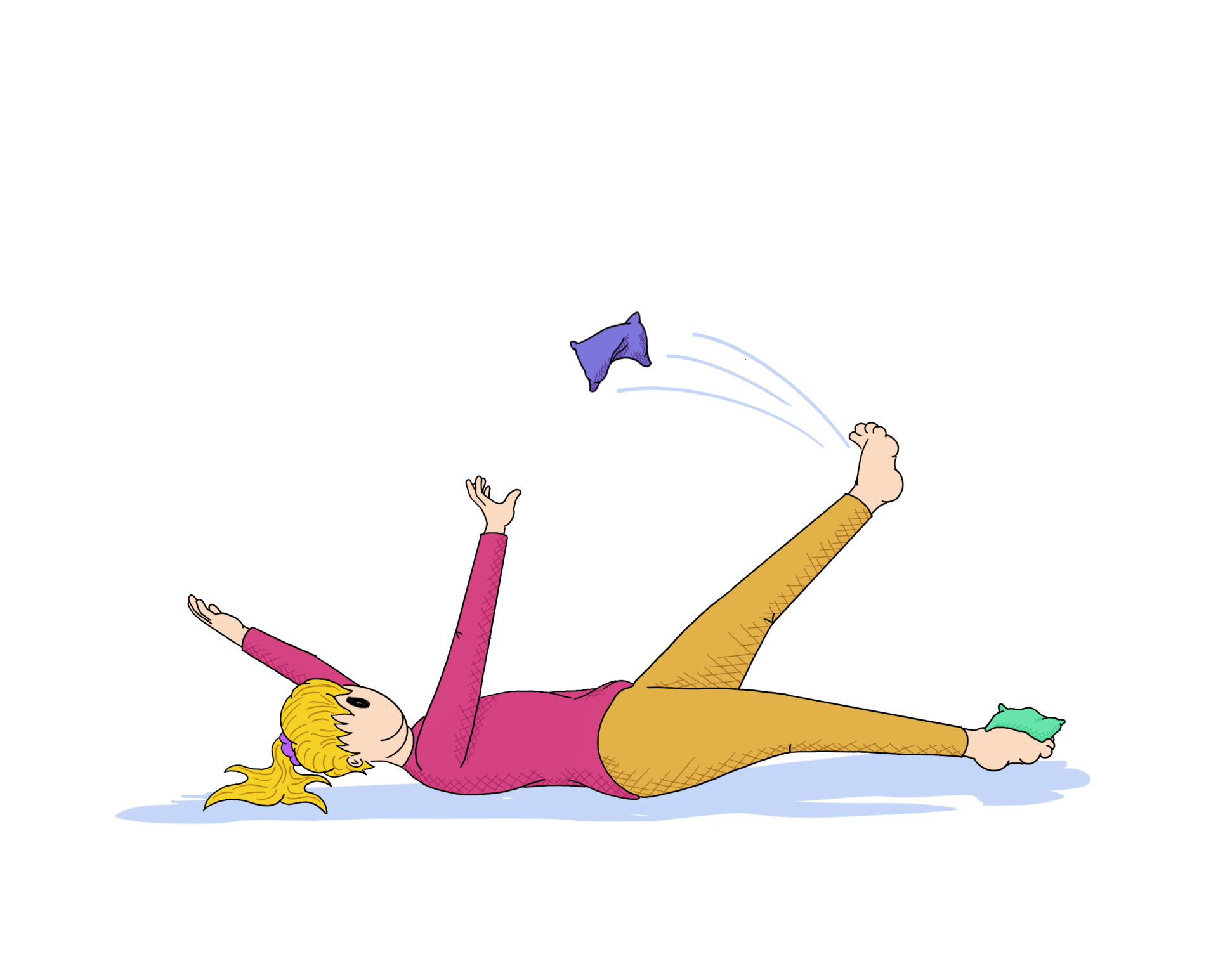
Neuroplasticity
Repeated movement strengthens the brain pathways that support focus, balance and emotional steadiness.
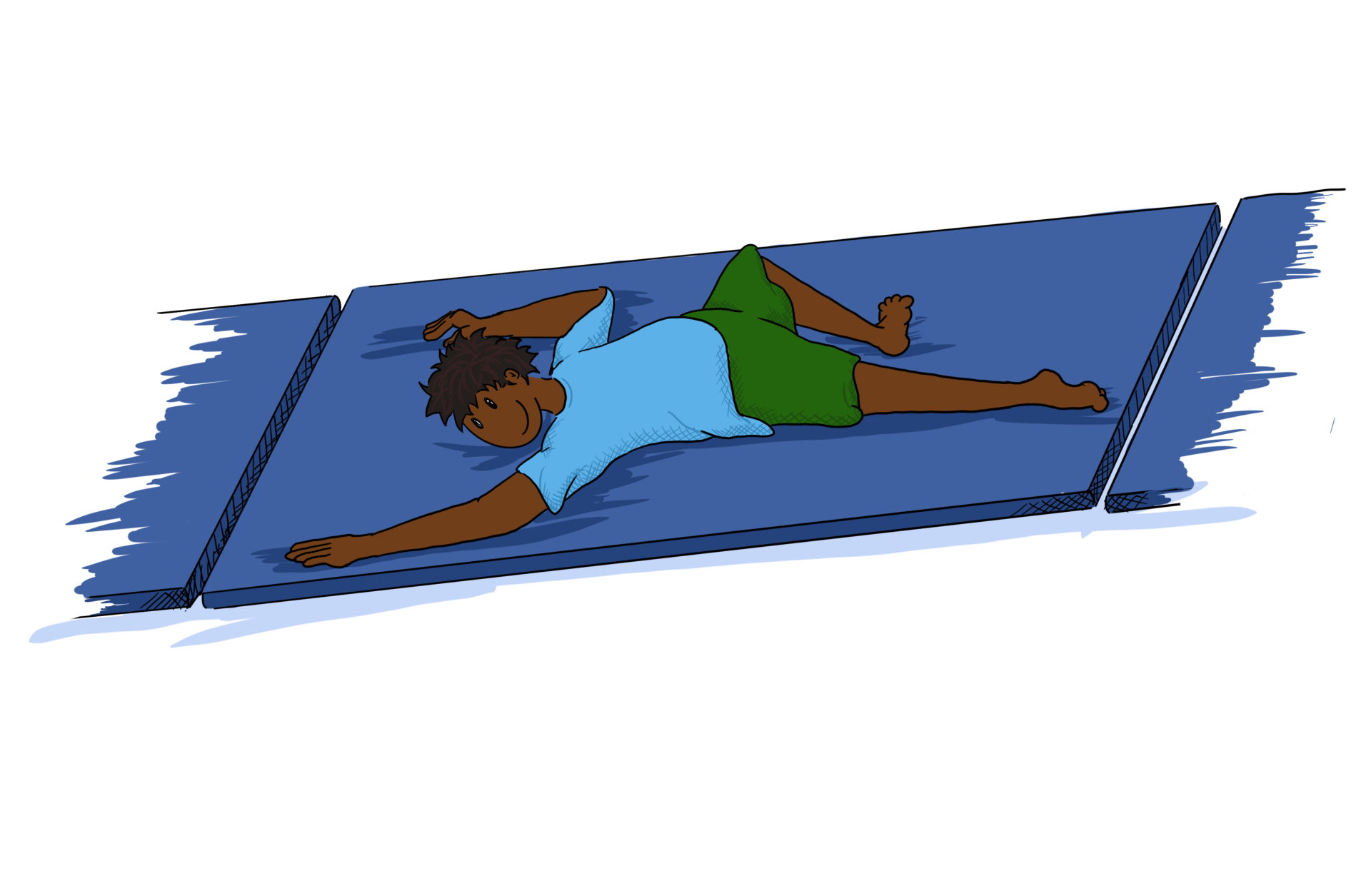
Motor Repatterning
Targeted games help update early reflex and motor patterns, making posture, coordination, and daily tasks feel easier

Sensory Integration
Clearer processing of touch, balance, and body position helps children feel more organised, focused, and confident
The Hidden Foundations of Learning and Behaviour
Research in developmental neuroscience shows that movement and sensory experience are central to how the brain grows and learns.
Each time a child moves, stabilising, shifting balance, crossing the midline, or integrating sensory feedback, the brain reinforces the networks that link perception, movement, and emotional regulation. Through repetition, neuroplasticity causes pathways to become more efficient, supporting focus, coordination, and self-control.
Learning and movement share the same foundations. Cognitive, emotional, and physical growth are deeply connected. Skills such as reading, handwriting, concentration, and social interaction all depend on the brain’s ability to interpret sensory input and translate it into purposeful action. When these systems are well aligned, children process information more efficiently, and regulate emotions more effectively, and are able to enjoy learning.
Wired for Movement draws on evidence-informed methods from:
- Sensory integration therapy
- Reflex integration
- Vestibular rehabilitation
- Physical therapy (Physio)
- Physical education (PE)
- Sensory dominances in education
Strengthening the Hidden Foundations
Wired for Movement translates research insights into practical and fun games, exercises and techniques that stimulate key sensory and motor systems through play.
The physical, sensory and neurodevelopmental systems shown below represent a set of core systems that support how children move, focus, regulate emotion, interact with others, and engage with learning.
By strengthening these underlying systems, children can develop greater body awareness, improved emotional regulation, stronger social confidence, and greater readiness for learning and everyday challenges.
-
Primitive & Postural Reflexes
Reflexes are the body's earliest movement patterns, automatic responses that help babies grow, move, and make sense of their world. As development unfolds, these primitive reflexes should fade and be replaced by postural reflexes that support balance, coordination, and controlled movement. When primitive reflexes remain active, or postural reflexes don't fully develop, they can interfere with motor skills, sensory processing, focus, and emotional regulation.
-
With Wired for Movement
Our Primitive and Postural Reflexes games are designed to integrate early reflexes that may still influence movement and behaviour. Through purposeful, sequenced activities, children develop stronger postural stability, balance and attention, leading to greater physical and emotional readiness for learning.
-
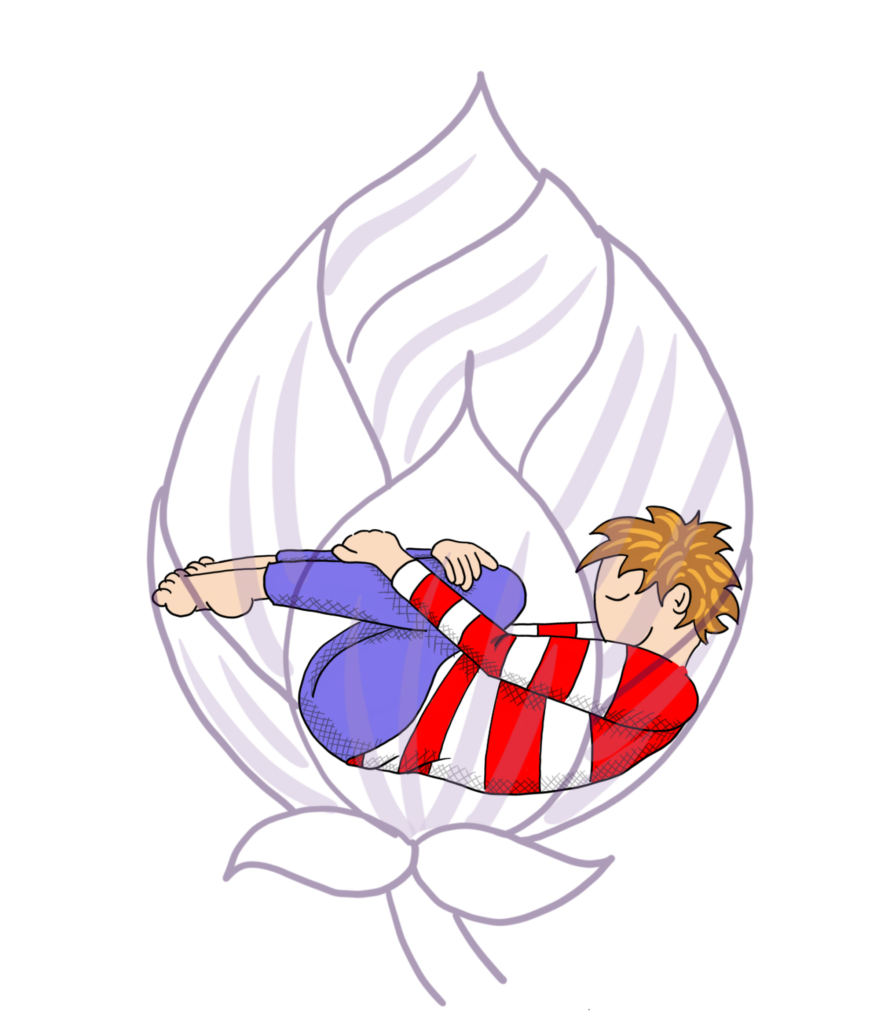
Calm and Relaxation
Calm and relaxation are states where a child’s body and mind feel safe, balanced, and at ease. In this calm state, the nervous system can rest and recover, building the emotional resilience and focus needed for learning and everyday life. When this balance is hard to maintain, children may become anxious, restless, or easily overwhelmed, which can affect sleep, concentration, and overall wellbeing.
-
With Wired for Movement
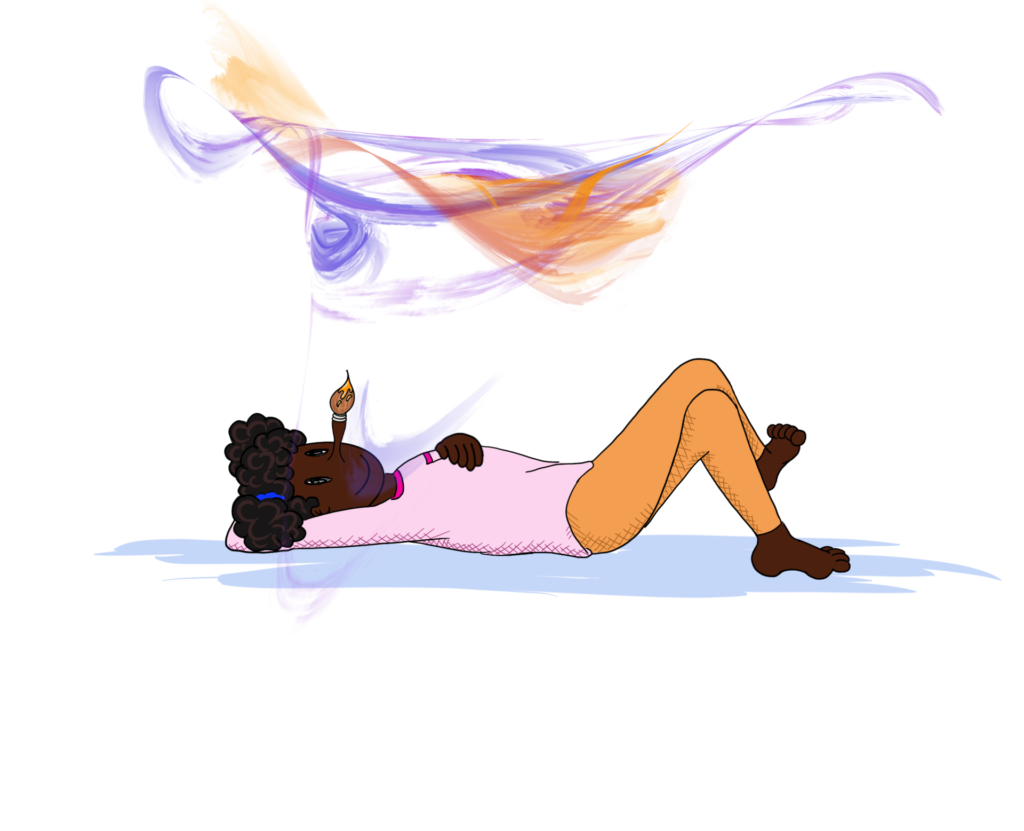
Our Calm and Relaxation games are designed to enhance emotional well-being through breathwork, visualisation, yoga, HRV rebalancing, and more. The goal goes beyond immediate relief from stress and anxiety, helping children build lasting emotional resilience, lower their stress response, and improve overall physical and mental health.

-
Coordination
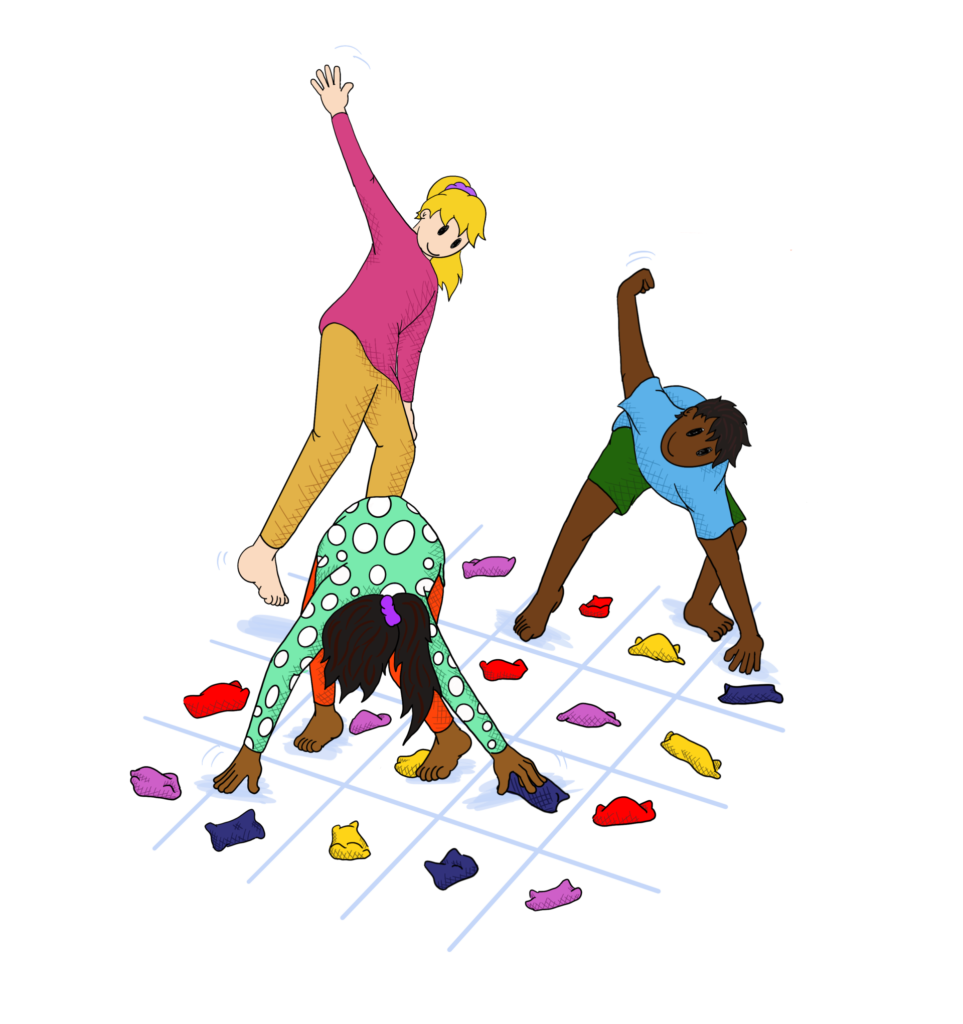
Coordination and laterality enable children to move smoothly and use both sides of the body in balance. These abilities rely on strong communication between the brain’s hemispheres and efficient motor planning. When not yet fully developed, children may find it difficult to run, catch, or take part in games that require timing and control, and may show challenges with handwriting or letter reversals in the classroom.
-
With Wired for Movement
Our Coordination and Laterality games are designed to improve bilateral, sensory motor and gross motor coordination. Through playful and purposeful activities, children develop hand dominance, balance and control over larger muscle groups, building the confidence and physical skills needed for running, jumping and everyday movement.
-
Proprioception
Proprioception is the body's internal sense of position and movement, how we know where we are in space without looking.It provides constant feedback to the brain through muscles and joints, supporting coordination and body control. When proprioceptive processing is not yet fully developed, children may bump into objects or people, trip more often, or need extra practice to learn new motor skills.
-
With Wired for Movement
Our Proprioception games help children strengthen the sensory feedback system that tells the brain where the body is in space. Through playful, resistance-based games and exercises, they learn to judge movement, pressure and position with greater accuracy, improving body awareness, coordination and confidence in both calm and active tasks.

-
Muscle Tone
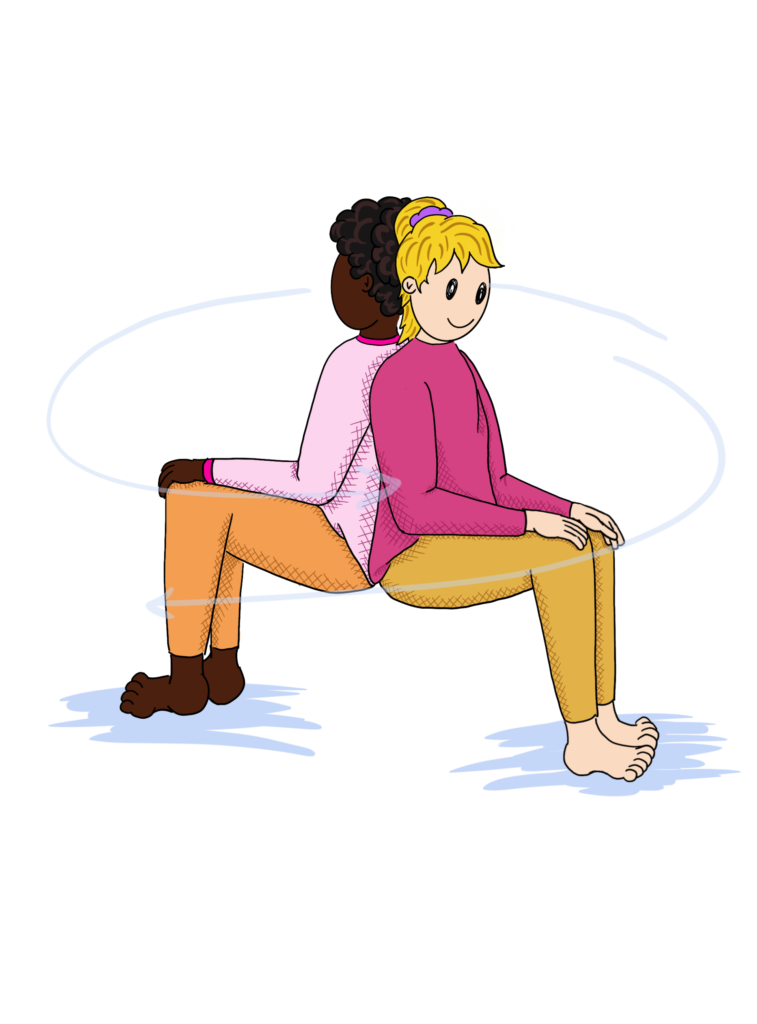
Muscle tone is the natural level of tension in the muscles that keeps the body ready for movement and supports posture and stability. It allows smooth transitions between movement and rest, maintaining alignment and endurance. When muscle tone is low, children may appear floppy or tire quickly during physical activity, finding it harder to maintain balance or upright posture for long periods.
-
With Wired for Movement
Our Muscle Tone games are designed to build strength, stamina and postural control. By improving postural control and stamina through playful movement, children develop smoother coordination, better concentration and increased confidence in sport, learning and daily activities.
-
Body Awareness
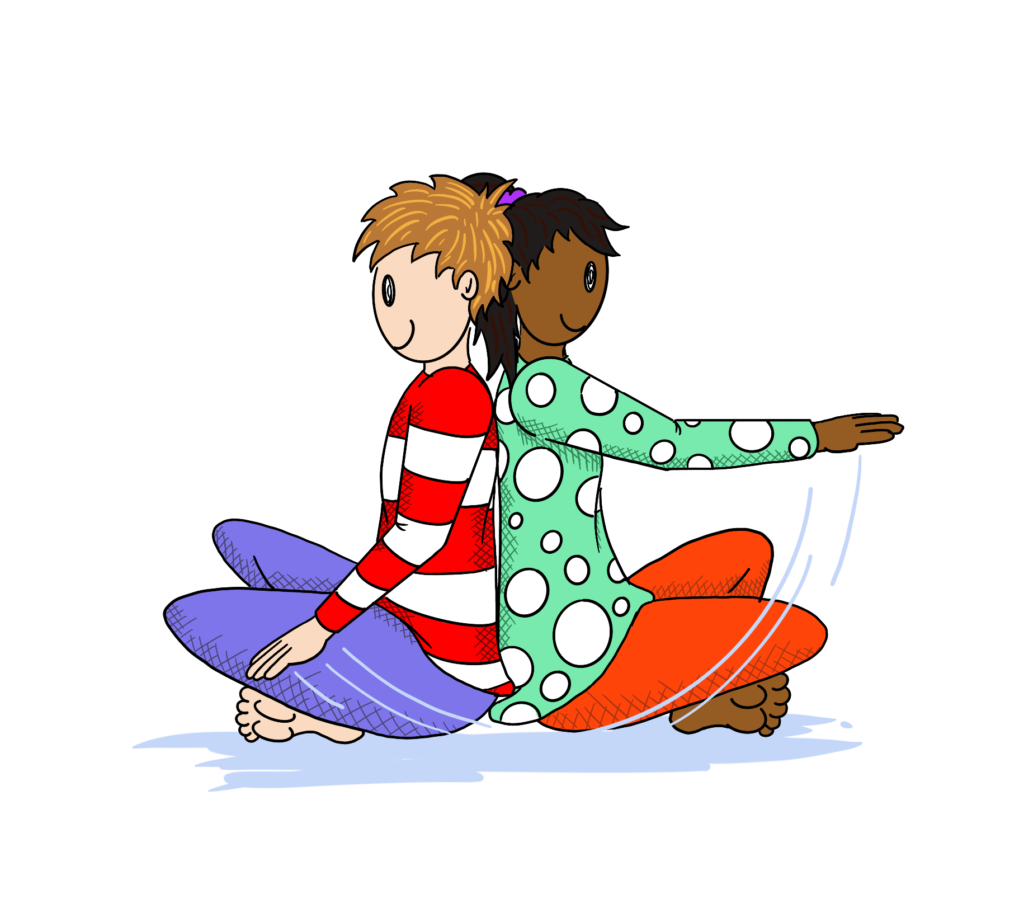
Body awareness, or body schema, is the brain’s internal map of the body, how it senses position, movement, and spatial orientation. It relies on accurate input from the proprioceptive, tactile, and vestibular systems to coordinate movement and posture. When under-developed, this feedback becomes inconsistent, affecting coordination, spatial judgement. This sensory inaccuracy can also affect a child’s body image and self-perception, leading to reduced confidence in physical and social situations.
-
With Wired for Movement
Our Body Awareness games help children understand how their bodies move and interact with space. Through guided movement and sensory exploration, they develop better control, posture and spatial orientation, leading to improved confidence, coordination and self-regulation
-
Tactile
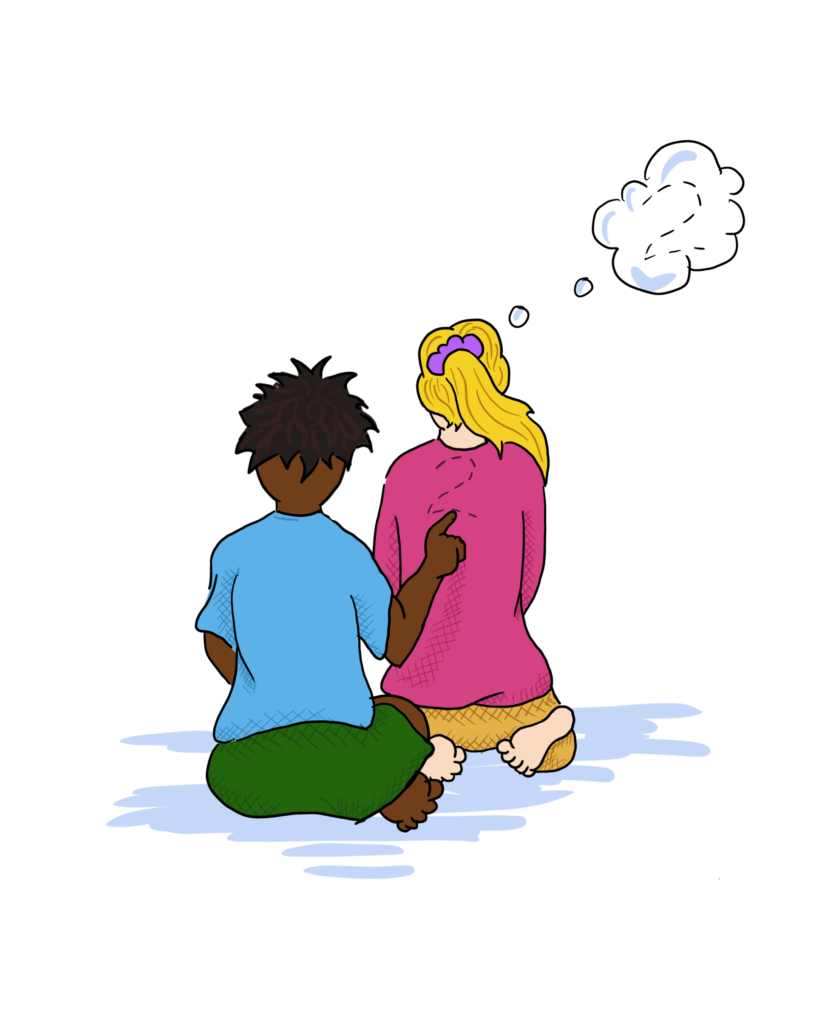
Tactile processing is the brain’s ability to interpret and respond appropriately to touch and texture. It relies on information from the skin’s sensory receptors to distinguish pressure, temperature, and surface qualities. When this system is impaired, sensory messages from the skin may be misinterpreted, leading to over- or under-sensitivity. This can cause distractibility, poor dexterity, low pain tolerance, physical awkwardness, or emotional discomfort with unexpected touch
-
With Wired for Movement
Our Tactile games are designed to help children improve their tactile processing skills and feel more comfortable with physical touch. Through gentle, sensory-based activities, children reduce restlessness, strengthen emotional stability and improve motor planning and coordination. As their confidence grows, they become more engaged in social play and everyday interaction.
-
Vestibular
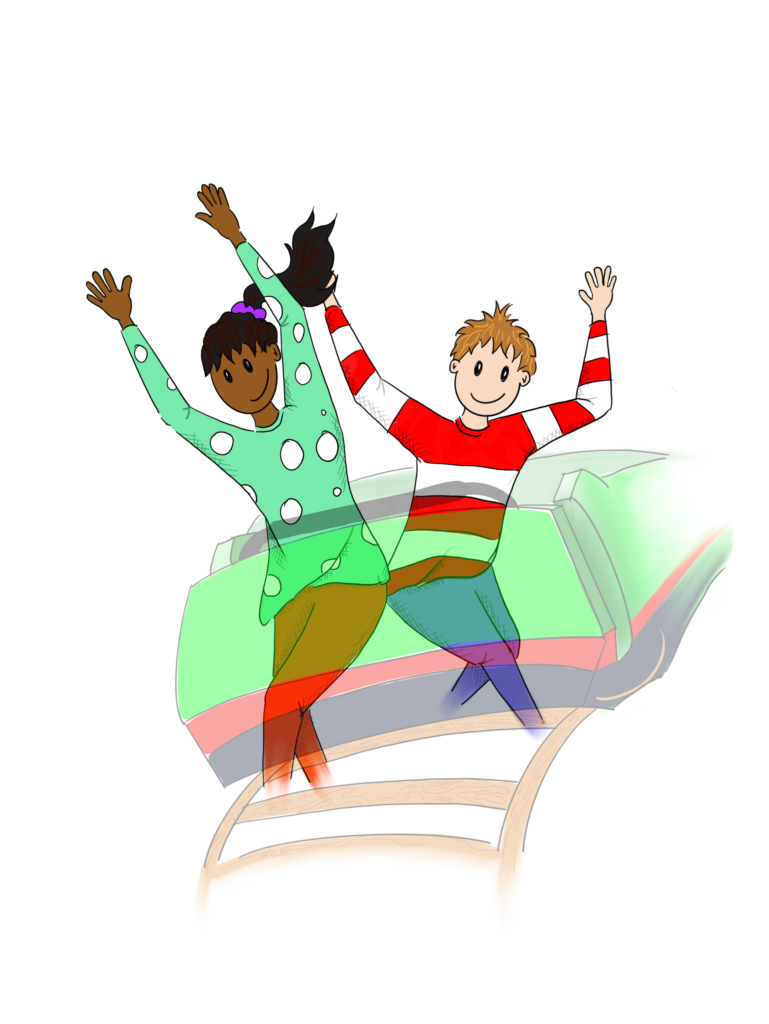
The vestibular system, located in the inner ear, detects movement, gravity, and changes in head position, helping the brain understand where the body is in space. It works closely with the visual and proprioceptive systems to stabilise posture, maintain balance, coordinate movement, and maintain attention. When vestibular function is inefficient, the brain struggles to process motion accurately, affecting balance, coordination, focus, sometimes speech and language development. Persistent vestibular dysfunction can also heighten stress responses, contributing to anxiety, poor emotional regulation, or avoidance of movement-based activities.
-
With Wired for Movement
Our Vestibular games are designed to activate and strengthen the inner ear balance system that supports coordination, posture and spatial awareness. Through structured, movement-based activities, children learn to process motion more effectively, improving balance, visual focus and body control. As the vestibular system becomes more stable, children gain confidence in movement, greater emotional calm and stronger attention in learning and play.
-
Visual Perception
Visual perception is the brain’s process of organising and interpreting what the eyes see, allowing us to recognise shapes, positions, and spatial relationships. It depends on the integration of visual information with movement and other sensory input, helping children judge distance, direction, and form. When visual perception is not yet fully developed, children may struggle with letter or number reversals, tracking and copying, or judging space on a page, affecting reading, handwriting, and overall classroom performance.
-
With Wired for Movement
Our Visual Perception games strengthen the connection between sight and movement. These games and exercises improve tracking, depth perception and spatial judgment, helping children interpret visual information more clearly and enhancing reading, writing and hand-eye coordination skills.
The Rise in Special Educational Needs
The number of children needing extra support is rising fast.
Between 2016 and 2024, the number of pupils in the UK receiving SEN support increased by 25%, and the number with an EHCP rose by 83% (Gov.uk, 2024).
This pattern reflects a wider global trend. Across Europe, around 15–20% of children experience a learning difficulty such as dyslexia, ADHD or similar needs. In the United States, about 1 in 5 students face learning and attention challenges, while in Canada the figure is 8.4%, and in New Zealand about 11%.
Wired for Movement provides an innovative approach to this growing need, supporting schools and parents with resources that are affordable, easy to use, and enjoyable for children to do.
How motor-sensory development supports learning
Boosting Coordination and Balance
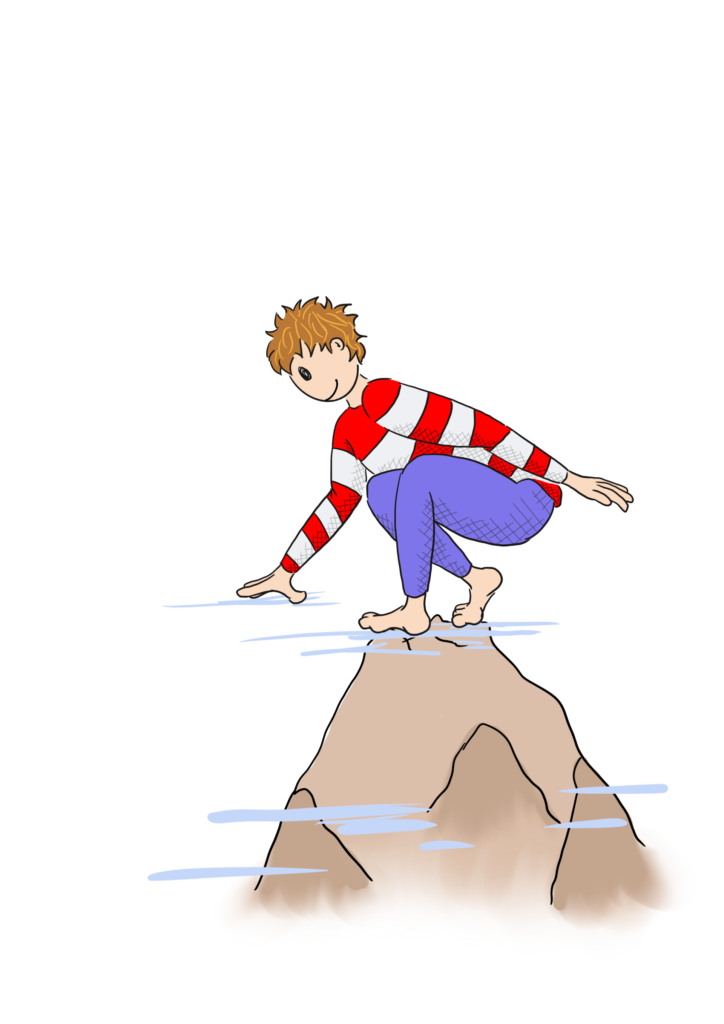
Strong coordination and balance depend on well connected communication between the brain, body, and sensory systems. These skills allow children to control their movements smoothly, stay upright, and respond to changes in speed or direction. When these pathways are under-developed, children may seem clumsy, struggle with posture or fine motor tasks, find PE activities tiring, or lose focus during seated work.
Wired for Movement exercises strengthen the brain’s motor pathways through cross-lateral and stabilising activities that promote control, timing and sequencing. These playful games build body confidence and physical fluency, supporting handwriting, sports and everyday movement with greater ease and enjoyment.
Enhancing Sensory Processing
Sensory processing is how the brain receives and organises information from sight, sound, touch, movement and body position. When sensory signals are misread or poorly integrated, children may become overwhelmed, distracted, or withdrawn.
Wired for Movement games target key systems, vestibular (balance), proprioceptive (spatial awareness), visual processing and tactile (touch) helping children feel calmer, more focused and better able to engage with learning and play.
Supporting Cognitive Function
Engaging in movements that use both sides of the body strengthens communication between the brain’s hemispheres. This connection enhances attention, memory, and emotional control, key foundations for learning and behaviour.
Wired for Movement uses purposeful, repetitive games that improve laterality, flow and balance. As these physical skills strengthen, children become better able to focus, plan and think clearly, supporting confident learning and emotional balance.
Reducing Outbursts, Stress and Anxiety
How our techniques foster emotional regulation and wellbeing
Calm and Relaxation
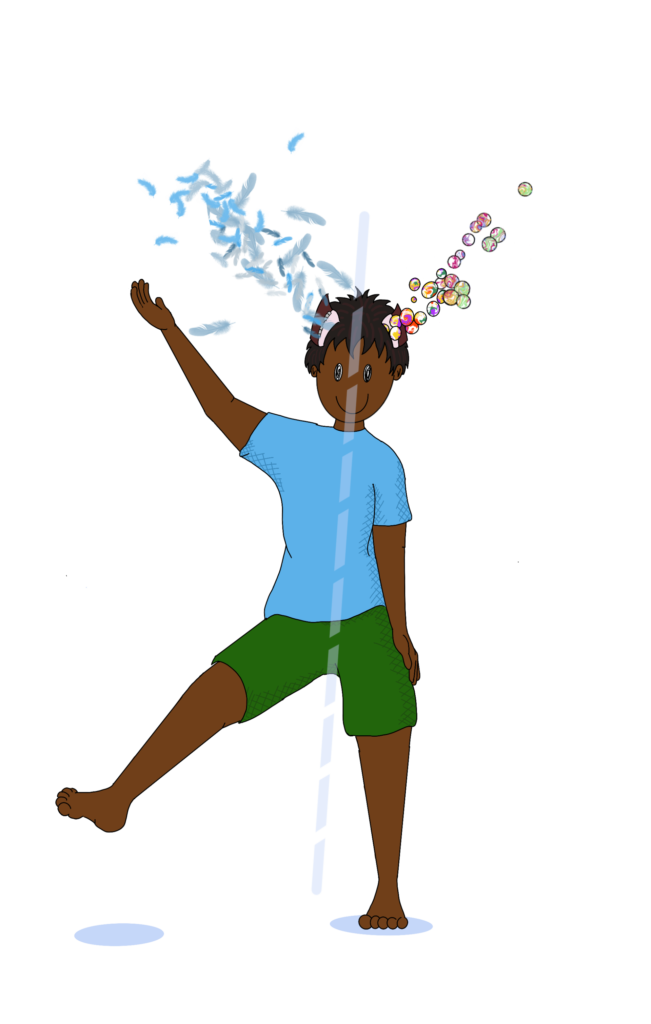
Calm and relaxation help children regulate their emotions, focus, and recover from stress. When their body stays tense or alert, it’s harder to learn, rest, or connect.
Wired for Movement uses gentle, rhythmical activities to quiet the nervous system and restore balance. As children learn to relax and breathe deeply, they build focus, confidence, and emotional control, the foundation for calm learning and daily life.
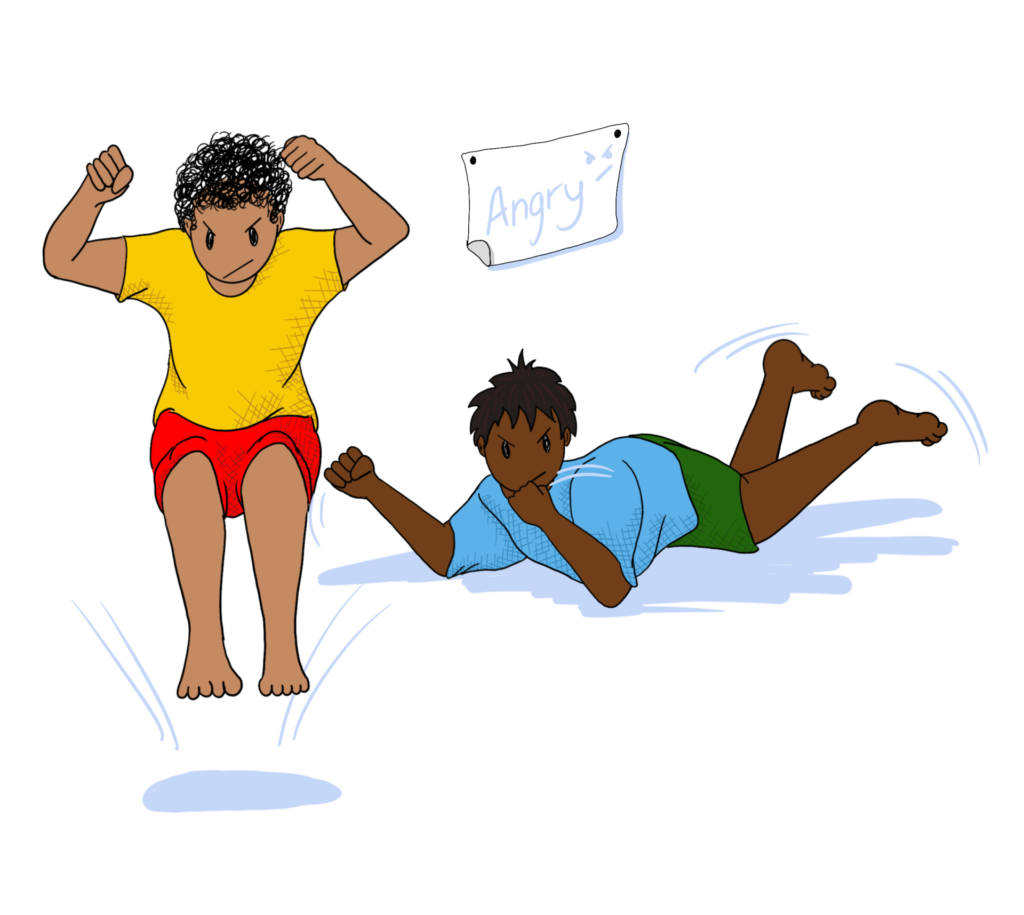
Emotional Intelligence
Emotional intelligence is the ability to recognise, understand and manage emotions in ourselves and others. It includes self-awareness, self-regulation, empathy, motivation and social skills, the foundations for healthy relationships, confidence and learning. When children develop these abilities, they become better equipped to express themselves, handle challenges and connect positively with those around them.
Wired for Movement helps nurture emotional intelligence through activities that build body awareness, cooperation and empathy during collaborative games. As children learn to notice how movement affects their feelings and reactions, they develop self-control, confidence and compassion, essential life skills that extend far beyond physical play.
Emotional Resilience
Emotional resilience is the capacity to adapt, recover and stay steady during times of stress or change. It’s about learning how to bend without breaking, facing challenges with courage and finding balance again afterwards. Children who develop resilience are better equipped to cope with setbacks, frustration and pressure.
Wired for Movement develops resilience through playful, visualisation and various body and reflective techniques that strengthens both the nervous system and emotional regulation. Using approaches inspired by CBT, mindfulness and emotional reflection techniques, children learn to calm themselves, rebuild confidence and return to equilibrium more quickly.

Body Awareness
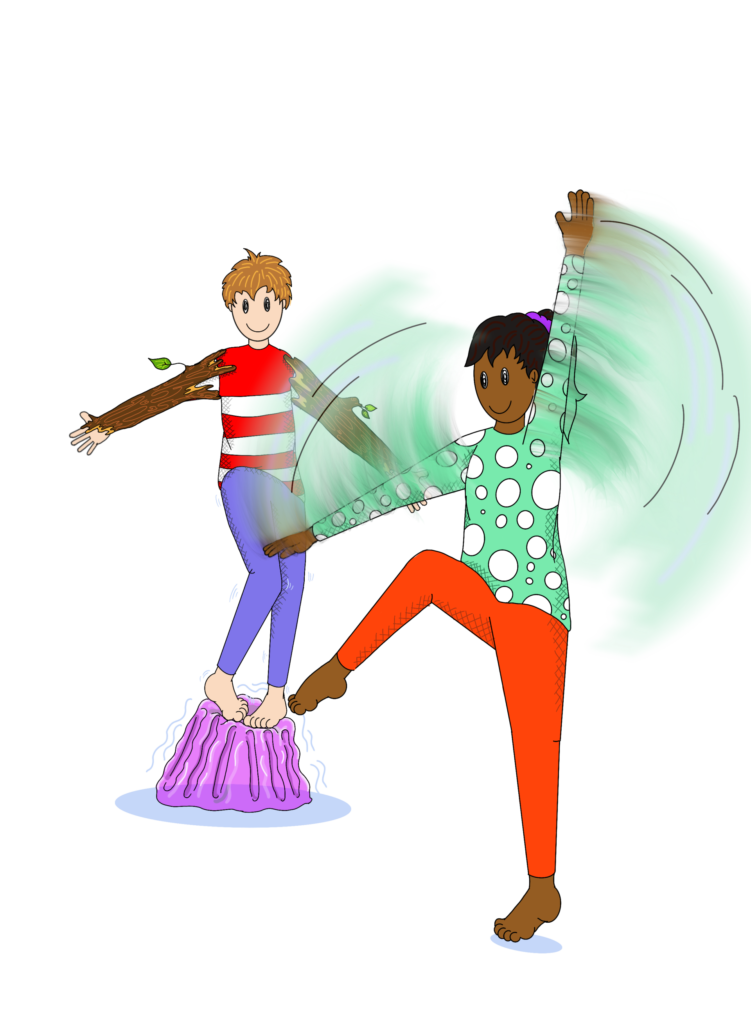
Body awareness is the understanding of how our bodies move and relate to the space around us. When children are aware of their posture, movement and physical boundaries, they can navigate their environment with greater control and confidence. It also supports emotional stability by helping children recognise and respond to physical cues linked to stress or excitement.
Wired for Movement builds body awareness through sensory rich activities that strengthen the connection between the body and brain. These games encourage children to move with purpose, recognise how they feel in motion and develop coordination, confidence and emotional self-understanding.
Breathwork
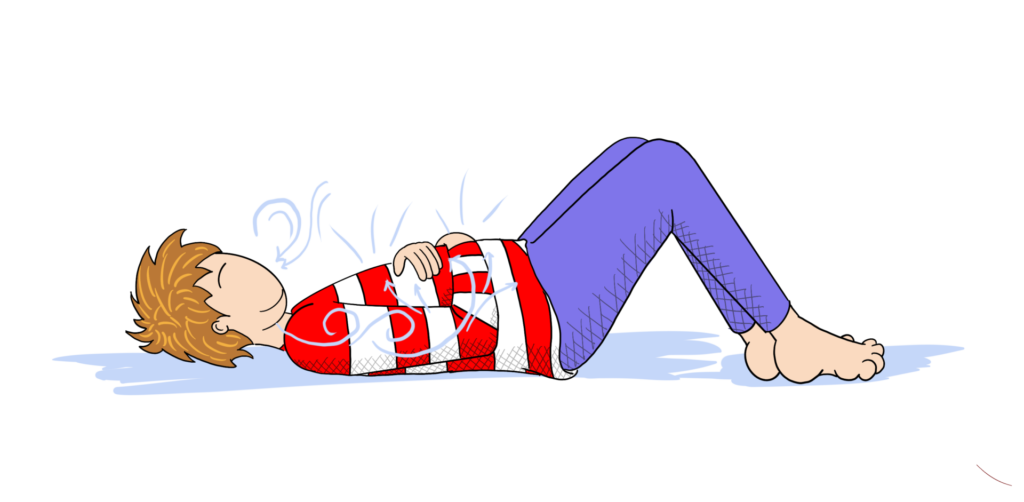
Breathwork is the practice of consciously controlling the breath to support relaxation, focus and balance. It helps calm the nervous system, steady emotions and bring the body back to a sense of safety and ease.
In Wired for Movement, breathwork is woven into games and relaxation activities to help children recognise how breathing affects how they feel and move. Simple breathing patterns can reduce anxiety, improve focus and create the foundation for calm and emotional control.
The Power of Play and Social Connections
By nurturing children’s natural drive to play and connect, Wired for Movement supports creativity, communication and social confidence through inclusive, collaborative activities.
Creative play and imagination
Creative play refers to a type of play where a person uses their imagination to transform everyday objects and situations into something new and different. Creative play is a category of game we call Exploration. These games are a rich feature in our programme, highly valued for:
- Cognitive development: Enhances problem-solving, critical thinking, and cognitive flexibility.
- Social development: Allows children to practice social skills like cooperation and communication through role-playing.
- Emotional development: Provides a safe space to explore emotions and different perspectives.
- Creativity and innovation: Fosters the ability to think outside the box and generate new ideas.

Cooperative play
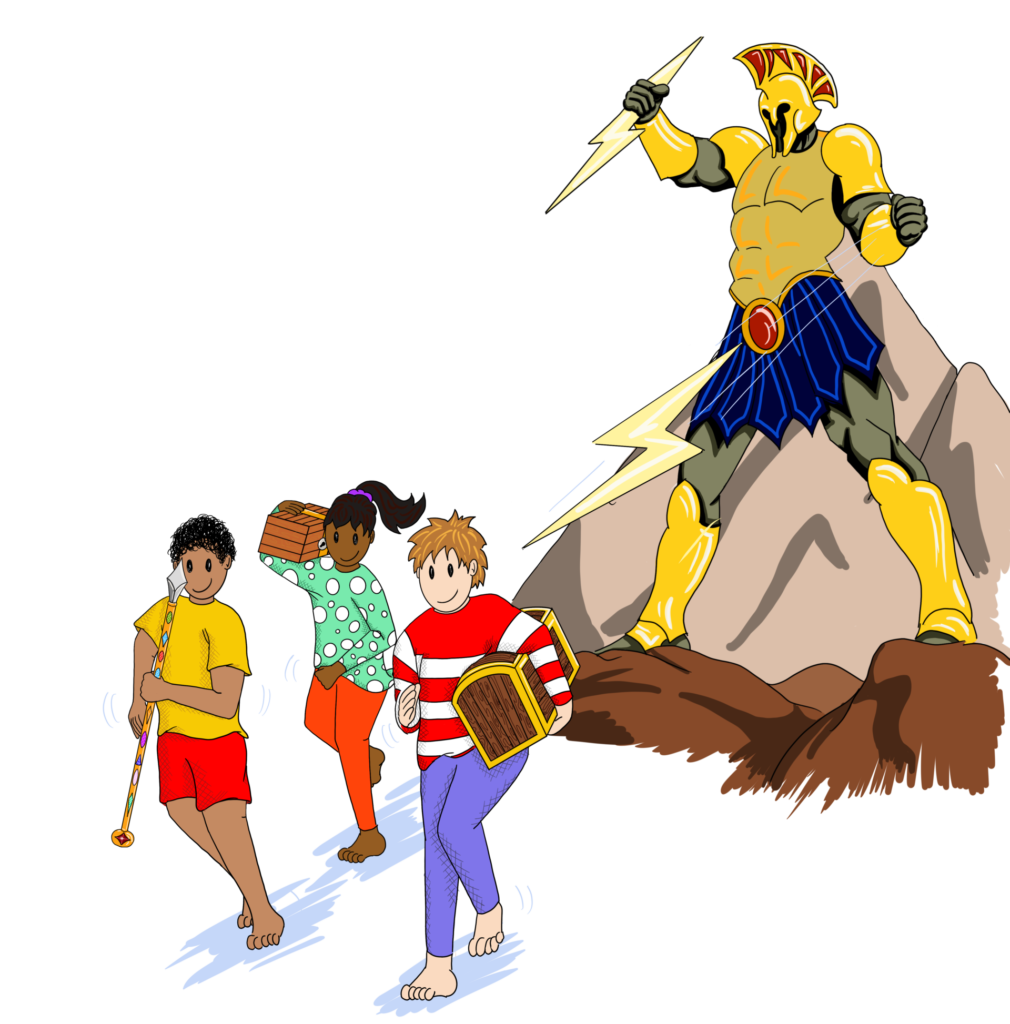
Play is essential to every child’s development. As they grow, children move through six stages of play, from unoccupied and solitary play to onlooker, parallel, associative and finally cooperative play.
Many of our games are cooperative games. While improving a motor-sensory area, children are also working together toward a shared goal rather than competing to win. This kind of play nurtures social understanding, empathy and problem-solving, helping children build the skills they need to connect and collaborate.
Competitive Play
A little friendly competition adds energy, excitement and purpose to movement. It encourages children to test their skills, take turns and manage emotions, helping them build resilience and motivation in a positive, playful way.
In Wired for Movement, competition is used carefully to inspire effort and focus rather than comparison. Many games include challenges that promote perseverance and teamwork. By celebrating progress over winning, children learn to stay motivated, value fair play and gain confidence across every developmental domain.