

Your CHooser Chart Results are Here!!
Thank you for completing the Chooser Chart. The higher the score, the more support your child may need in that area.
Results : carried out on June 9, 2026
Loading recommended programmes ...
What does it all mean?
Calm and Relaxation

Calm and relaxation are states where a child’s body and mind feel safe, balanced, and at ease. In this calm state, the nervous system can rest and recover, building the emotional resilience and focus needed for learning and everyday life. When this balance is hard to maintain, children may become anxious, restless, or easily overwhelmed, which can affect sleep, concentration, and overall wellbeing.
Our Calm and Relaxation games are designed to enhance emotional well-being through breathwork, visualisation, yoga, HRV rebalancing, and more. The goal goes beyond immediate relief from stress and anxiety, helping children build lasting emotional resilience, lower their stress response, and improve overall physical and mental health.
Coordination
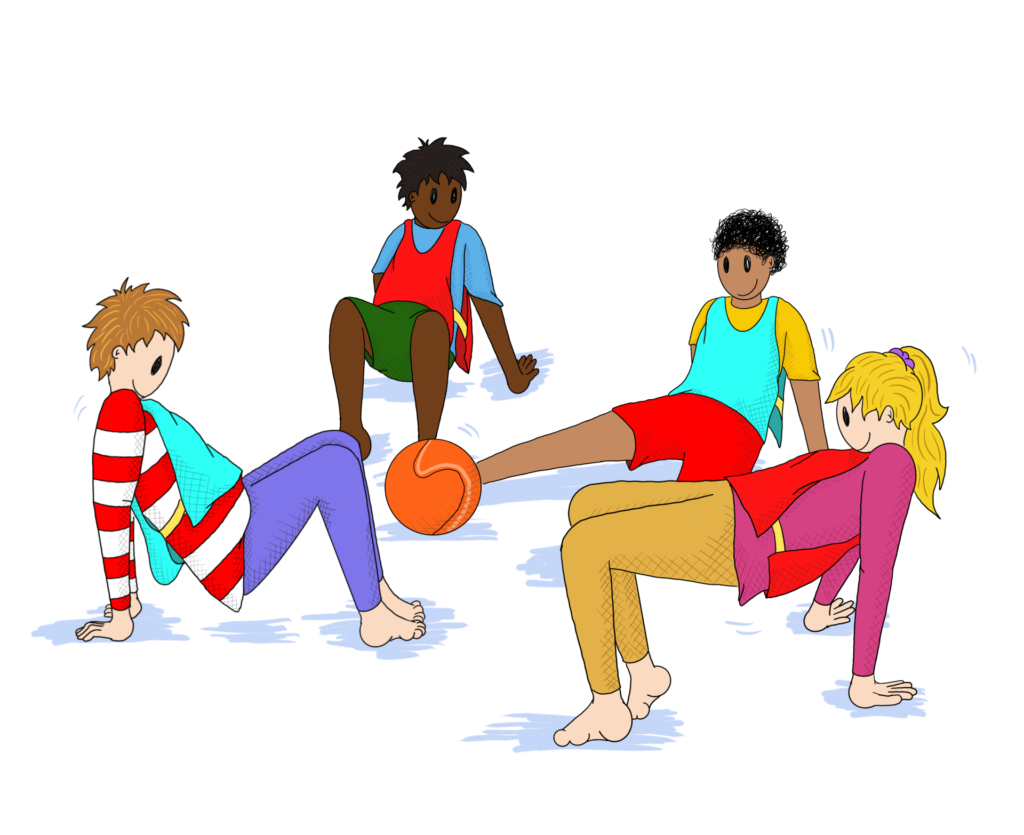
Coordination and laterality enable children to move smoothly and use both sides of the body in balance. These abilities rely on strong communication between the brain’s hemispheres and efficient motor planning. When not yet fully developed, children may find it difficult to run, catch, or take part in games that require timing and control, and may show challenges with handwriting or letter reversals in the classroom.
Our Coordination and Laterality games are designed to improve bilateral, sensory motor and gross motor coordination. Through playful and purposeful activities, children develop hand dominance, balance and control over larger muscle groups, building the confidence and physical skills needed for running, jumping and everyday movement.
Proprioception
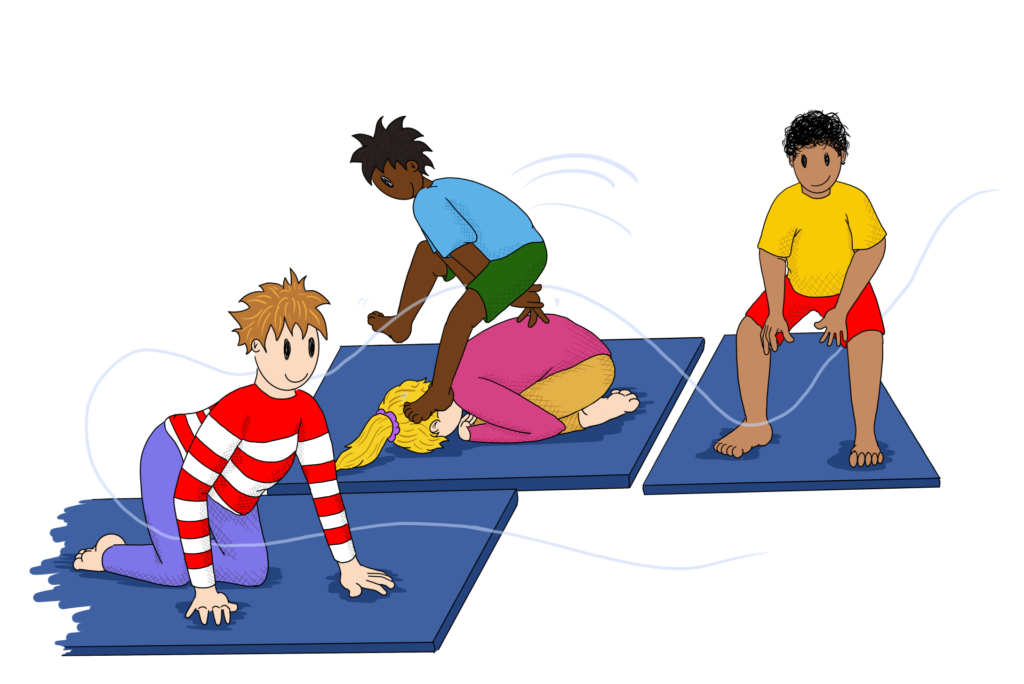
Proprioception is the body’s internal sense of position and movement, how we know where we are in space without looking.It provides constant feedback to the brain through muscles and joints, supporting coordination and body control. When proprioceptive processing is not yet fully developed, children may bump into objects or people, trip more often, or need extra practice to learn new motor skills.
Our Proprioception games help children strengthen the sensory feedback system that tells the brain where the body is in space. Through playful, resistance-based games and exercises, they learn to judge movement, pressure and position with greater accuracy, improving body awareness, coordination and confidence in both calm and active tasks.
Muscle Tone
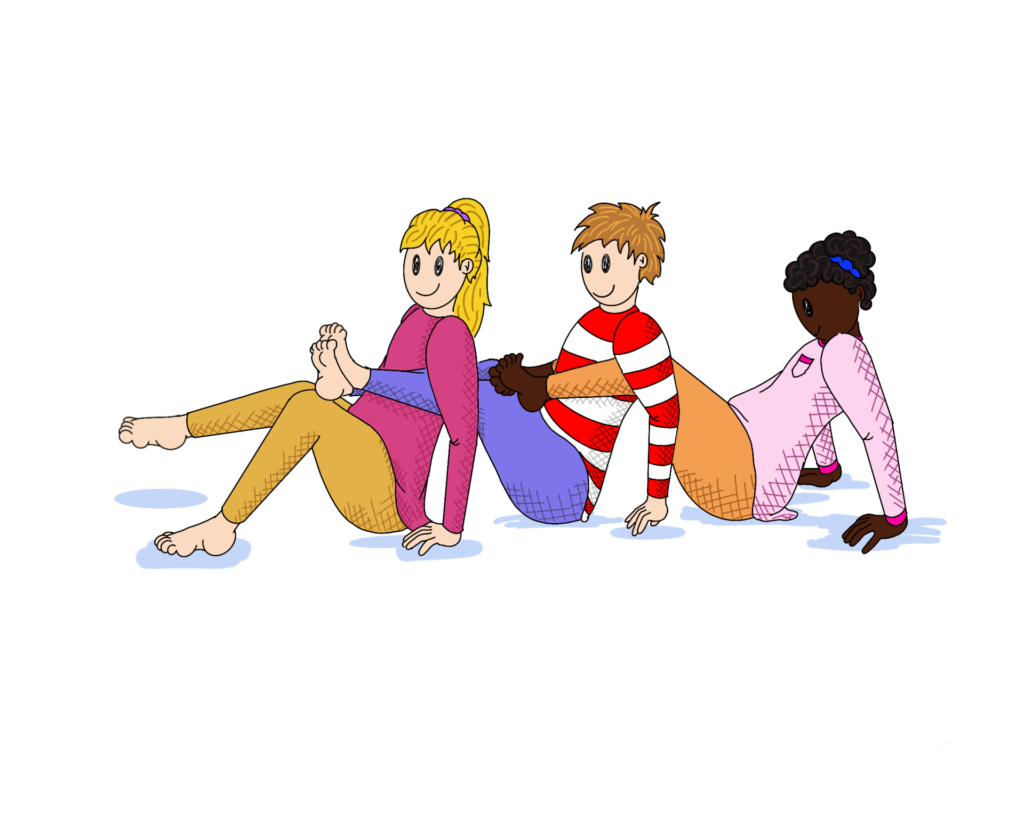
Muscle tone is the natural level of tension in the muscles that keeps the body ready for movement and supports posture and stability. It allows smooth transitions between movement and rest, maintaining alignment and endurance. When muscle tone is low, children may appear floppy or tire quickly during physical activity, finding it harder to maintain balance or upright posture for long periods.
Our Muscle Tone games are designed to build strength, stamina and postural control. By improving postural control and stamina through playful movement, children develop smoother coordination, better concentration and increased confidence in sport, learning and daily activities.
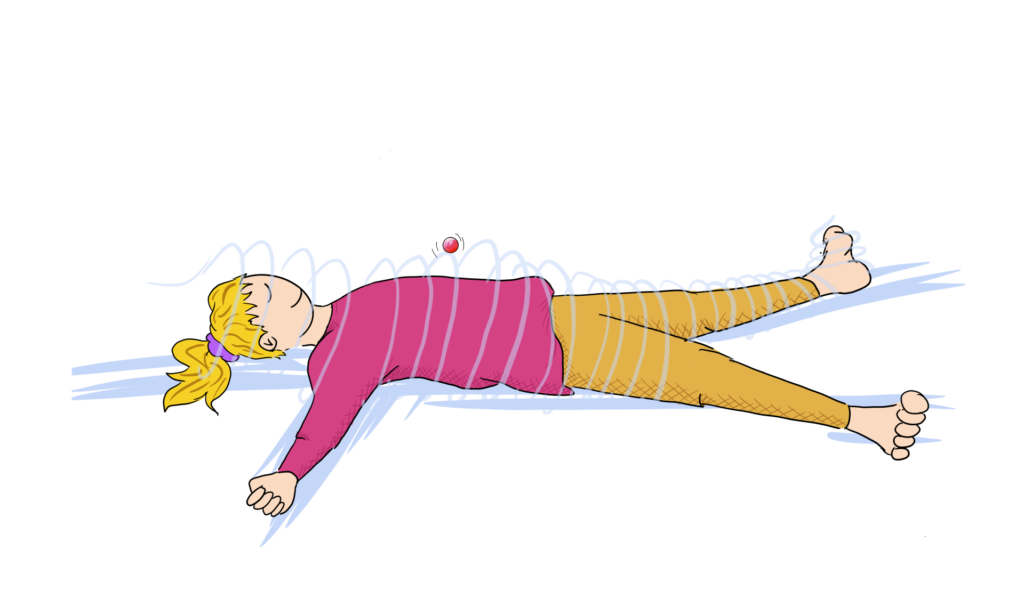
Body awareness, or body schema, is the brain’s internal map of the body, how it senses position, movement, and spatial orientation. It relies on accurate input from the proprioceptive, tactile, and vestibular systems to coordinate movement and posture. When under-developed, this feedback becomes inconsistent, affecting coordination, spatial judgement. This sensory inaccuracy can also affect a child’s body image and self-perception, leading to reduced confidence in physical and social situations.
Our Body Awareness games help children understand how their bodies move and interact with space. Through guided movement and sensory exploration, they develop better control, posture and spatial orientation, leading to improved confidence, coordination and self-regulation
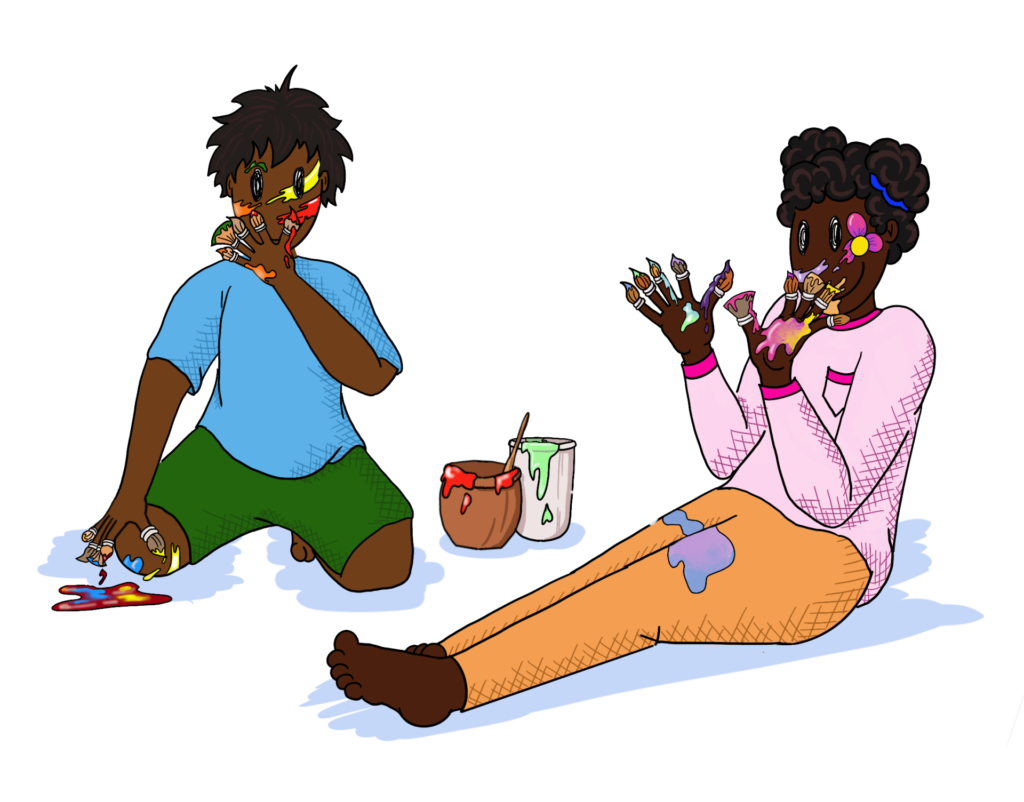
Calm and relaxation are states where a child’s body and mind feel safe, balanced, and at ease. In this calm state, the nervous system can rest and recover, building the emotional resilience and focus needed for learning and everyday life. When this balance is hard to maintain, children may become anxious, restless, or easily overwhelmed, which can affect sleep, concentration, and overall wellbeing.
Our Calm and Relaxation games are designed to enhance emotional well-being through breathwork, visualisation, yoga, HRV rebalancing, and more. The goal goes beyond immediate relief from stress and anxiety, helping children build lasting emotional resilience, lower their stress response, and improve overall physical and mental health.
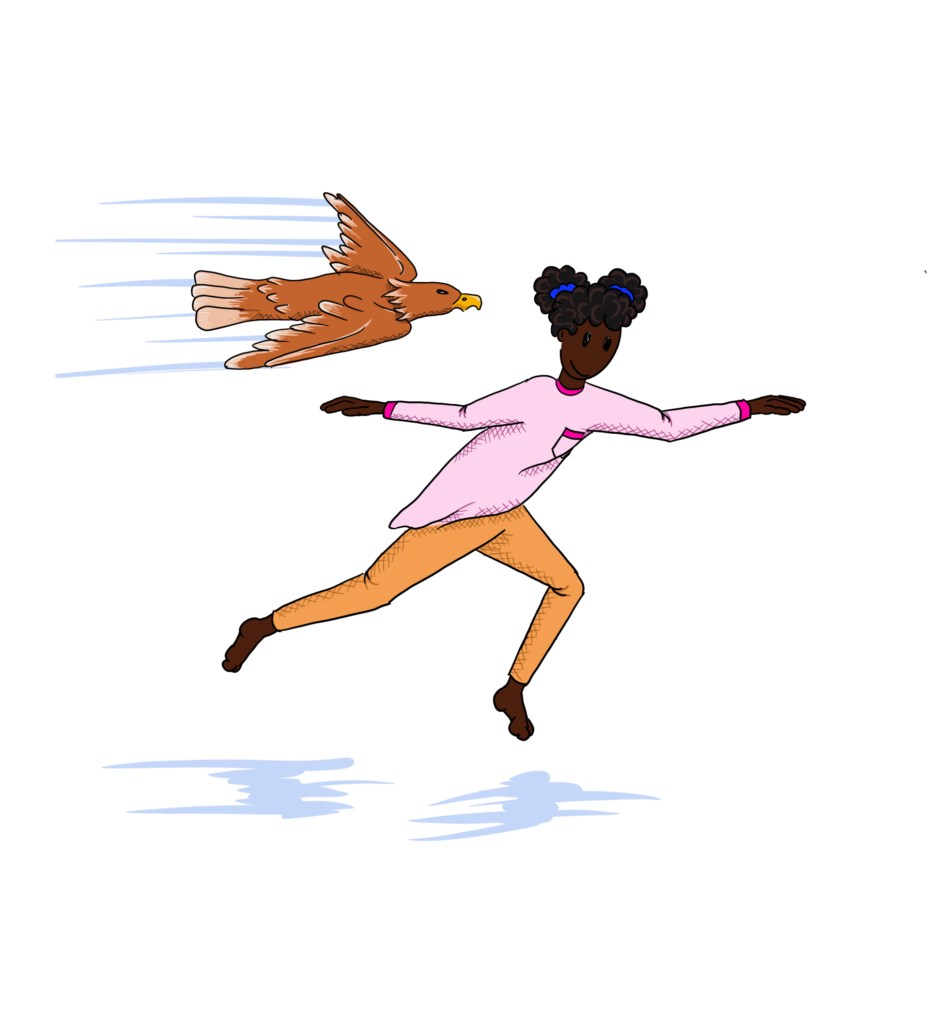
The vestibular system, located in the inner ear, detects movement, gravity, and changes in head position, helping the brain understand where the body is in space. It works closely with the visual and proprioceptive systems to stabilise posture, maintain balance, coordinate movement, and maintain attention. When vestibular function is inefficient, the brain struggles to process motion accurately, affecting balance, coordination, focus, sometimes speech and language development. Persistent vestibular dysfunction can also heighten stress responses, contributing to anxiety, poor emotional regulation, or avoidance of movement-based activities.
Our Vestibular games are designed to activate and strengthen the inner ear balance system that supports coordination, posture and spatial awareness. Through structured, movement-based activities, children learn to process motion more effectively, improving balance, visual focus and body control. As the vestibular system becomes more stable, children gain confidence in movement, greater emotional calm and stronger attention in learning and play.
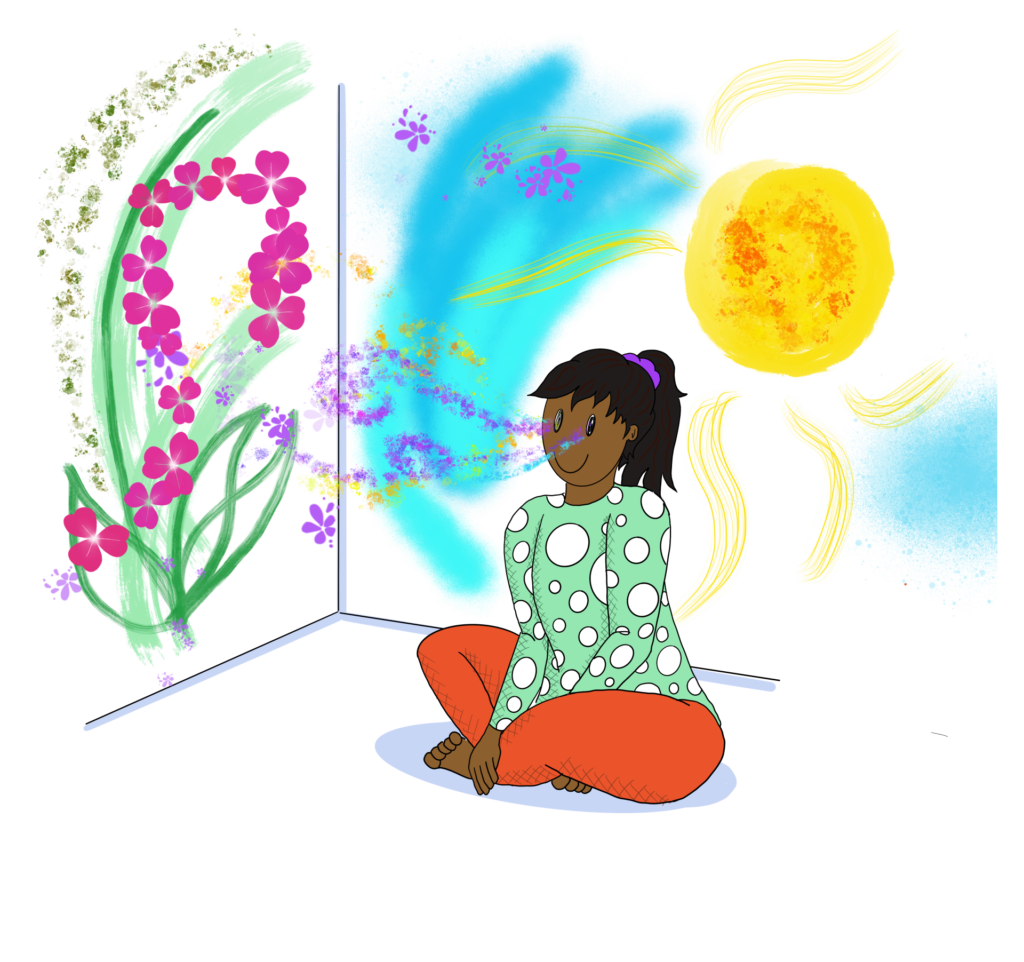
Visual perception is the brain’s process of organising and interpreting what the eyes see, allowing us to recognise shapes, positions, and spatial relationships. It depends on the integration of visual information with movement and other sensory input, helping children judge distance, direction, and form. When visual perception is not yet fully developed, children may struggle with letter or number reversals, tracking and copying, or judging space on a page, affecting reading, handwriting, and overall classroom performance.
Our Visual Perception games strengthen the connection between sight and movement. These games and exercises improve tracking, depth perception and spatial judgment, helping children interpret visual information more clearly and enhancing reading, writing and hand-eye coordination skills.
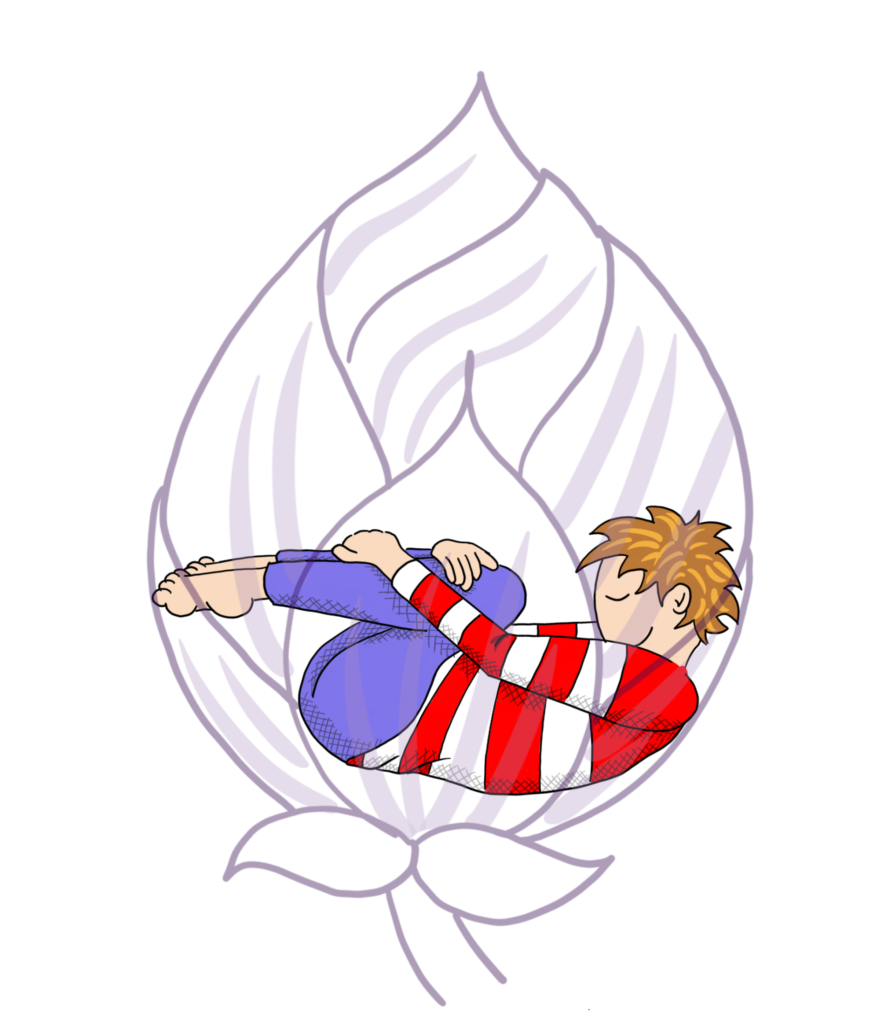
Reflexes are the body’s earliest movement patterns, automatic responses that help babies grow, move, and make sense of their world. As development unfolds, these primitive reflexes should fade and be replaced by postural reflexes that support balance, coordination, and controlled movement. When primitive reflexes remain active, or postural reflexes don’t fully develop, they can interfere with motor skills, sensory processing, focus, and emotional regulation.
Our Primitive and Postural Reflexes games are designed to integrate early reflexes that may still influence movement and behaviour. Through purposeful, sequenced activities, children develop stronger postural stability, balance and attention, leading to greater physical and emotional readiness for learning.
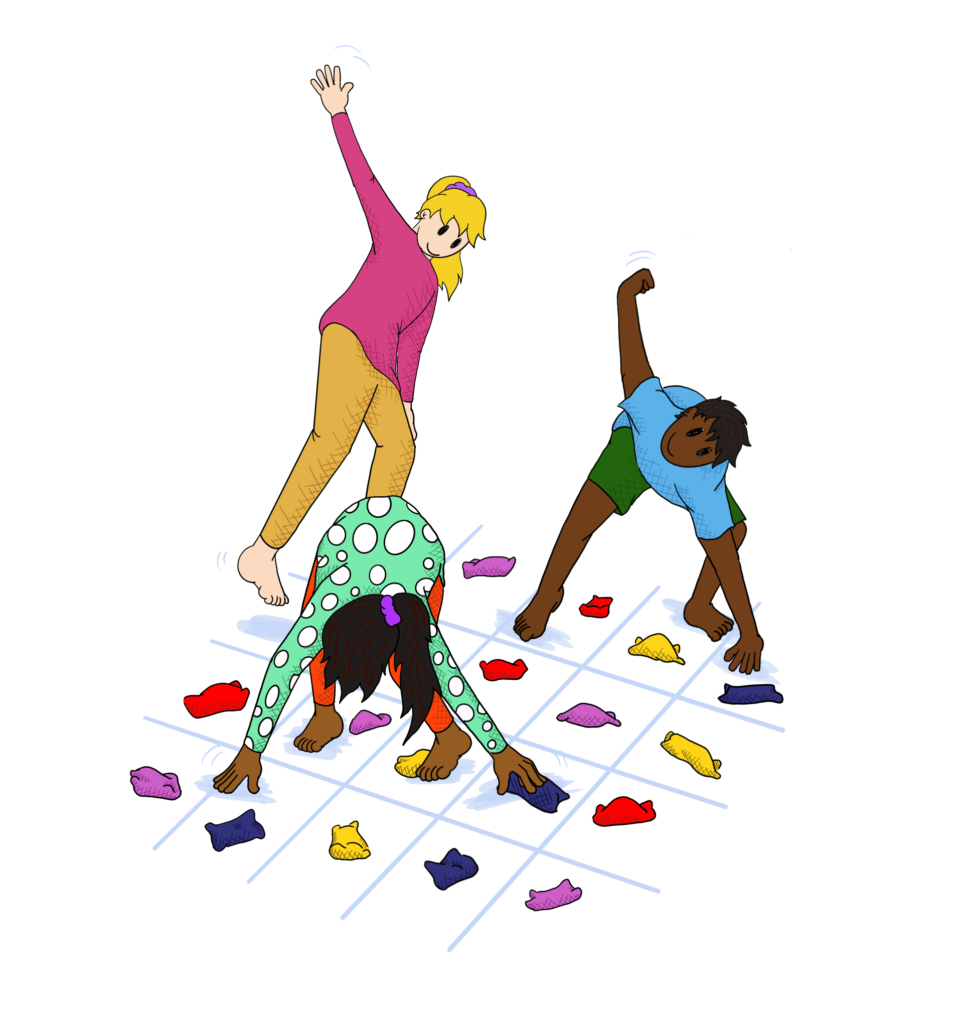
Reflexes are the body’s earliest movement patterns, automatic responses that help babies grow, move, and make sense of their world. As development unfolds, these primitive reflexes should fade and be replaced by postural reflexes that support balance, coordination, and controlled movement. When primitive reflexes remain active, or postural reflexes don’t fully develop, they can interfere with motor skills, sensory processing, focus, and emotional regulation.
Our Primitive and Postural Reflexes games are designed to integrate early reflexes that may still influence movement and behaviour. Through purposeful, sequenced activities, children develop stronger postural stability, balance and attention, leading to greater physical and emotional readiness for learning.